
AI, Cyber Risk and Profit
Why technology is now a profit, risk and AI-readiness issue for law firms
An interview with Michael Skliros from Systima
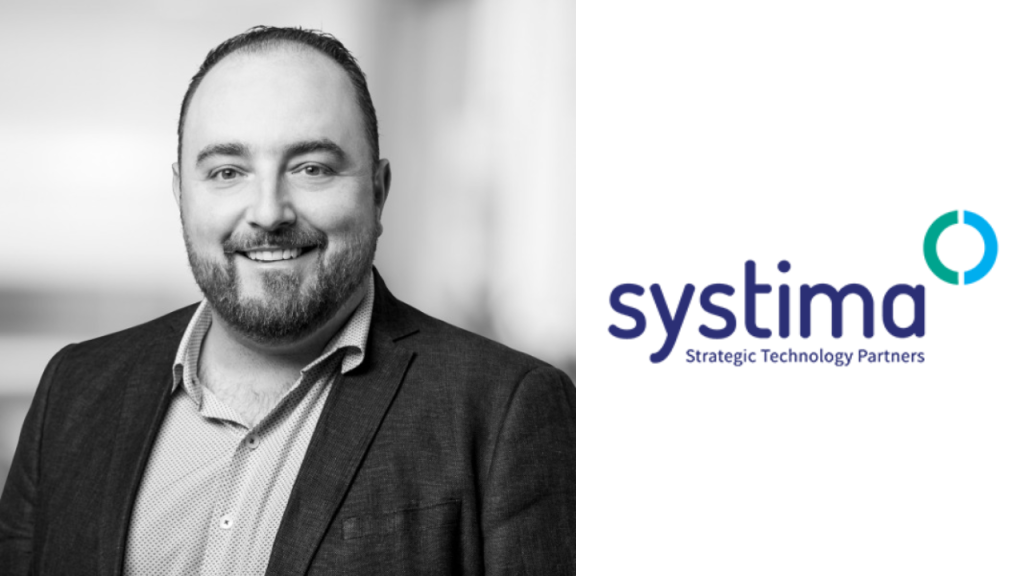
As part of The Legal Equation interview series, Sean Myles sat down with Michael Skliros from Systima to discuss how law firms should be thinking about technology, cyber risk, AI and profitability.
Michael works with professional services firms on managed IT, cybersecurity, cloud and technology strategy. His perspective is particularly relevant for law firm partners who know technology matters, but may not always see the direct link between better systems and better firm performance.
The key message from the interview was clear:
Technology is no longer just an IT cost.
It is a profitability lever, a cyber risk issue, and the foundation for any serious AI strategy.
For the full conversation, you can watch the interview here
Technology should not be treated as a cost centre
Many firms still look at technology as a necessary expense.
Michael challenged that thinking. The better question is not simply: “How much are we spending on IT?”
The better question is:
How much profit are we leaving on the table because our systems are not working properly?
For law firms, poor technology does not just create frustration. It can quietly drain margin through duplicated work, manual re-entry, slow matter setup, inefficient document management and wasted senior lawyer time.
That matters because partner and senior lawyer time should be spent on judgment, clients, leadership and strategy, not fighting with systems.
What should partners actually measure?
A useful technology dashboard should not overwhelm managing partners with technical jargon.
It should show whether technology is improving business performance.
That might include:
- how much time lawyers spend on administrative tasks;
- how quickly new matters are opened;
- how quickly documents and matter information are prepared;
- revenue per lawyer or full-time employee;
- technology cost as a percentage of revenue;
- client onboarding speed; and
- whether systems are reducing or increasing manual work.
In other words, the dashboard should connect technology to productivity, profitability and client experience.
Cybersecurity is more than antivirus and backups
One of the biggest traps for firms is false confidence.
A firm may have antivirus, email security, backups and cyber insurance, but still be exposed if it does not have the right processes behind those tools.
Michael’s point was that cybersecurity is not just about the technology layer. It is about preparation, ownership and ongoing review.
Law firm partners should be asking:
- Do we have an incident response plan?
- Do we know who has access to sensitive information?
- Are access permissions reviewed?
- Do we understand where our key client data sits?
- Has anyone tested what happens if systems go down?
A cyber incident is rarely just an IT issue. It can quickly become a productivity issue, a client confidence issue, a deadline issue and a reputation issue.
The biggest cyber cost may not be the breach itself
When partners think about cyber incidents, they often focus on the obvious costs: ransom, recovery, repairs and insurance.
But the hidden costs can be worse.
If key systems are down, lawyers cannot work properly. Deadlines become harder to manage. Client trust can be damaged. The firm may lose days or weeks of productivity.
In a professional services firm, that lost productivity can be incredibly expensive.
Prevention is not just about avoiding a technical failure. It is about protecting the firm’s ability to keep operating.
AI will amplify what already exists
AI was one of the most important parts of the discussion.
Michael’s warning was simple: AI can be powerful, but it will amplify whatever is already inside the firm.
If a law firm has clean data, strong document management, good access controls and clear information governance, AI can help unlock real efficiency.
But if information is scattered, duplicated, outdated or poorly controlled, AI may simply amplify the mess.
That creates real risk for law firms.
AI tools may surface old precedents, rely on unreliable material, expose sensitive information or produce outputs that still require careful human review.
The answer is not to avoid AI. The answer is to get the foundations right first.
Start with information management
When asked where law firms should focus over the next 12 months, Michael’s answer was information management.
That means knowing:
- where information lives;
- who can access it;
- how documents are structured;
- how sensitive data is protected;
- how precedents are managed; and
- how firm knowledge can be reused safely.
This may not sound as exciting as launching a new AI tool, but it is what makes AI useful, secure and commercially valuable.
The takeaway for law firm partners
Technology is now part of law firm strategy.
It affects margin, risk, productivity, client experience and AI readiness.
The firms that win will not simply be the ones that buy the newest tools. They will be the firms that structure their information properly, understand their risks, reduce manual work and use technology to support better business outcomes.
The real question for law firm partners is no longer:
“How much does our technology cost?”
It is:
“Is our technology helping us protect the firm, improve margins and deliver better outcomes for clients?”

© 2026 The Legal Equation Pty Ltd